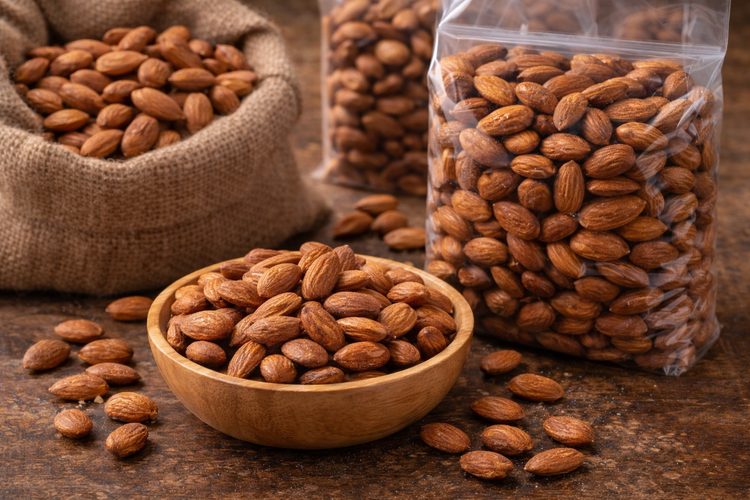
Almonds

Dry Roasted Almonds

Dry roasted California almond programs for snacks, toppings, cereals, granola, foodservice, retail packaging and further seasoning or export-oriented applications.

Illustrated placeholder for Dry Roasted Almonds
Product overview

Dry roasted almonds from a California commercial workflow

Dry roasted almonds are selected when the buyer wants developed roasted flavor and firmer texture without using added oil in the roasting step. In commercial practice, this format is often positioned between a simple snack almond and a more specification-sensitive finished ingredient, because its value depends not only on the raw material but also on roast execution, color development, bite, breakage management and downstream handling.

Compared with raw kernels, dry roasted almonds deliver a more ready-to-use profile for snack packs, toppings, cereals and mixed products. Compared with oil roasted almonds, they are frequently chosen where the buyer wants a cleaner roast positioning, a different surface feel or a specific label direction. The commercial brief therefore usually focuses on roast profile, application, pack format, shelf-life planning and whether the product will be sold directly or used as part of a broader formulation.

Atlas Global Trading Co. supports buyers that need a California-origin commercial discussion for dry roasted almonds and want to structure the project around real operating needs such as roast style, packaging logic, distribution model, documentation and destination market requirements.

Technical

Technical buying focus

Dry roasting builds flavor and texture while avoiding added oil in the roasting step. Buyers usually define roast intensity, finished color, crunch, surface character, seasoning compatibility, breakage tolerance and the target use environment. These factors matter because the right dry roasted almond for a snack pouch may not be the right one for a cereal system, salad topping line or further seasoning program.

In more specification-sensitive work, buyers may also review roast uniformity, lot consistency, flavor depth, handling performance, dust or small-piece levels, and how the product behaves after packing, transport and storage. For ingredient use, the commercial question is often not only how the almond tastes on day one, but how it performs over the expected life of the finished product.

Commercial

Commercial planning focus

Dry roasted programs are common for snack manufacturers, salad topping users, cereal and granola brands, foodservice distributors and retail packers seeking a roasted profile with clean positioning. The commercial discussion usually covers whether the almonds are sold as a finished snack, used as an inclusion or topping, or supplied as a base for further seasoning, repacking or private label work.

Commercial planning typically depends on pack format, annual or seasonal volume, route to market, label direction, export requirements and whether the buyer needs a spot order, a recurring replenishment model or a broader program structure.

Why buyers choose dry roasted

Dry roasted almonds solve different product needs than raw or oil roasted formats

The choice of roast style is usually commercial as much as technical. Dry roasted almonds are commonly selected when the buyer wants a roasted sensory profile but does not want the positioning or surface character associated with oil roasting.

Compared with raw almonds

More ready for immediate use

Dry roasted almonds can reduce downstream processing needs for snack, topping and inclusion applications because the roast step is already complete. This is relevant for buyers that want a consistent roasted character without managing roasting in-house, or for those building branded products where roast profile is part of the finished identity.

Compared with oil roasted almonds

Different label and sensory positioning

Buyers often prefer dry roasted almonds when they want a roast-generated flavor profile without adding oil during the roast process. This can matter for clean positioning, product story, texture preference, seasoning strategy or channel-specific requirements. The best choice depends on how the finished product is marketed and consumed.

Applications

Common commercial uses for dry roasted almonds

Snacking

Retail snacks and portioned packs

Dry roasted almonds are widely used in snack pouches, jars, tubs and portion-controlled formats where buyers want roasted character, clean pack presentation and a more direct ready-to-eat proposition. In these cases, roast color, sensory consistency and shelf-life planning usually matter as much as price.

Toppings

Salads, bakery and foodservice finishing

In salad kits, bowls, prepared foods and bakery finishes, dry roasted almonds add roasted nut identity, crunch and premium appearance. Buyers in these channels typically focus on piece integrity, size suitability, pack convenience and how the almonds hold texture through storage and service.

Cereal and granola

Mixes, clusters and breakfast systems

Dry roasted almonds are used in cereals, granola and snack clusters where they contribute both flavor and visual value. The key discussion points often include roast stability, breakage management, distribution consistency and how the product behaves when blended with other dry ingredients.

Further seasoning

Base for flavored and customized snack concepts

Some buyers use dry roasted almonds as a base for additional seasoning or coating programs. In these cases, the technical brief may focus on roast level, surface behavior, seasoning adhesion, piece condition and whether the product will be repacked domestically or shipped for downstream flavoring in another market.

Roast profile

Why roast specification matters

Roast profile is one of the most important buying variables for dry roasted almonds. A lighter roast may preserve a more natural almond character, while a stronger roast may emphasize deeper nutty notes and darker color. The right profile depends on the target channel, finished recipe and how the product is meant to look and taste on shelf.

Because roast preference is application dependent, buyers usually benefit from describing the intended sensory target rather than asking for a generic roast level without context.

Texture and piece condition

Crunch, bite and breakage are commercial issues too

Dry roasted almonds are frequently judged by crunch, bite, visible integrity and how well the pieces survive transport and handling. A lot that tastes acceptable but arrives with too much breakage may be unsuitable for premium retail or topping use. That is why many buyers review both sensory profile and physical presentation together.

For some channels, especially visible inclusions or toppings, the finished appearance is a major part of the commercial value.

Specification guidance

What buyers usually define for a workable dry roasted almond inquiry

Clearer briefs create faster quoting and fewer misunderstandings. For roasted almonds, the most useful inquiry explains not just the product name, but the final use and commercial route.

Technical variables
  • whole kernel or required format direction
  • target roast intensity or flavor profile
  • color expectations and visual consistency
  • crunch and texture objective
  • seasoned or unseasoned requirement
  • use as snack, topping, mix component or base ingredient
  • breakage tolerance and presentation needs
  • shelf-life expectations under real storage conditions
Commercial variables
  • bulk, foodservice or retail pack format
  • private label or branded channel direction
  • domestic vs. export shipment plan
  • estimated order volume and reorder rhythm
  • seasonal or year-round demand profile
  • destination-market labeling and documentation needs
  • target incoterm or delivery structure
  • first shipment timing and program continuity
Quality and operational review

Important quality, handling and shelf-life checkpoints

Roasted nuts are usually judged on more than basic compliance. Buyers want to know how the product looks, eats, travels and holds up commercially through storage, distribution and final sale.

Typical quality topics
  • roast uniformity and sensory consistency
  • finished color and visual presentation
  • texture, crunch and flavor freshness
  • whole-kernel integrity and breakage control
  • compatibility with seasoning or further handling
  • pack integrity and receiving condition
  • storage guidance and shelf-life planning
  • lot consistency for repeat programs
Documents buyers may request
  • product specification sheet
  • certificate of analysis or shipment documents where applicable
  • allergen statement
  • country-of-origin information
  • commercial invoice and packing list
  • lot traceability references
  • packaging and pallet details
  • destination-market paperwork as required
Packaging

Pack style should fit the actual route to market

Dry roasted almonds may be packed for bulk ingredient use, foodservice distribution, retail-ready sale, portion control or export-oriented repacking. The right pack format depends on handling environment, channel expectations, display needs, usage rate, shelf-life strategy and freight economics.

Retail projects may emphasize appearance, shelf presence and consumer convenience, while industrial or foodservice buyers may care more about case structure, pallet efficiency and operational handling.

Logistics

Transit planning matters for roasted almonds

Roasted products require commercial planning around timing, pack protection, pallet configuration, transit route and receiving conditions. This becomes even more important in export business or longer supply chains where the buyer needs confidence that the almonds will arrive in acceptable sensory and visual condition.

Atlas can review the destination market, shipment model and program timing so logistics decisions are considered early rather than treated as an afterthought.

Program structure

From spot orders to repeat roasted snack programs

Some buyers need a one-time roasted almond lot for a short sales window. Others need a repeat supply line for retail snacks, foodservice, cereal manufacturing or private label distribution. The more clearly the buyer defines order rhythm, pack type and channel, the easier it becomes to structure a practical commercial program.

Atlas can discuss project directions ranging from trial lots and retail launches to recurring industrial or export-oriented supply, provided the product brief and commercial logic are clear.

Cost drivers

What usually influences the quote

  • roast profile and finished positioning
  • whole-kernel presentation expectations
  • seasoned vs. plain commercial direction
  • retail-ready vs. bulk pack structure
  • order size and repeatability of demand
  • destination and freight complexity
  • private label or branded project requirements
  • documentation and market-specific support needs
Who this page is for

Designed for snack brands, foodservice distributors, cereal companies and private label buyers

This page is built for commercial buyers evaluating dry roasted almonds for snack packs, toppings, breakfast products, prepared food applications, retail programs, repacking or export-oriented trade. It is especially useful for teams that need a supplier conversation with more operational depth than a short catalog description can provide.

The most useful next step is to send a brief that explains the intended use, roast direction, pack style, destination, order volume and timing. That makes it easier to assess whether a California-origin dry roasted almond program fits the project commercially and technically.

What buyers usually define

Useful information to include in an inquiry

  • final use and target channel
  • roast profile or sensory direction
  • whether seasoning will be added
  • pack style and case expectation
  • estimated volume and order rhythm
  • destination country or delivery region
  • required commercial or QA documents
  • timeline for samples or commercial shipment
Let’s build your program

Discuss a dry roasted almond requirement

Use the contact form to share the roast direction, pack style, volume, destination and application. Atlas can review the brief and organize the next commercial step around California supply support.

Go to Contact Page
FAQ

Frequently Asked Questions

What is the main use of dry roasted almonds?

Dry roasted almonds are commonly used in snack packs, salad toppings, cereal and granola mixes, foodservice formats and selected ingredient systems where the buyer wants roasted flavor and texture without using added oil in the roasting step.

Can Atlas supply dry roasted almonds for export or private label projects?

Atlas can discuss dry roasted almonds for domestic and export-oriented programs and review packaging, labeling direction, documentation, channel fit and commercial structure where the brief supports the project.

What should buyers specify when asking for dry roasted almonds?

Buyers should share the intended use, preferred roast direction, whether the almonds will remain plain or be further seasoned, pack style, destination market, volume estimate, timing and any quality or document requirements so the inquiry can be assessed properly.

Why choose dry roasted almonds instead of oil roasted almonds?

Dry roasted almonds are often chosen when the buyer wants roasted flavor development and crunchy texture while avoiding added oil during the roasting step. This can be important for label positioning, product story, surface feel and application fit.

Can dry roasted almonds be used both as a snack and as an ingredient?

Yes. Dry roasted almonds are used as finished snacks as well as ingredients in toppings, cereals, granola, salad kits, bakery finishes and prepared food systems. The correct specification depends on how visible and structurally important the almonds are in the final product.

What technical details matter most for dry roasted almond buying?

Important points often include roast intensity, color uniformity, texture, crunch, whole-kernel integrity, breakage tolerance, seasoning compatibility, shelf-life planning and the condition in which the product is expected to arrive after transport.

What packaging options are usually considered?

Typical discussions include bulk ingredient packs, foodservice case formats, retail-ready pouches, jars, tubs and selected private label programs. The correct structure depends on the sales channel, usage rate, handling conditions, shelf-life target and export route.

How can buyers get a more practical quote faster?

The most useful quote requests explain the final use, roast direction, pack style, destination, approximate volume, timeline and any commercial or documentation requirements. A more complete brief leads to a more useful commercial response.