Macadamias

Raw Macadamias

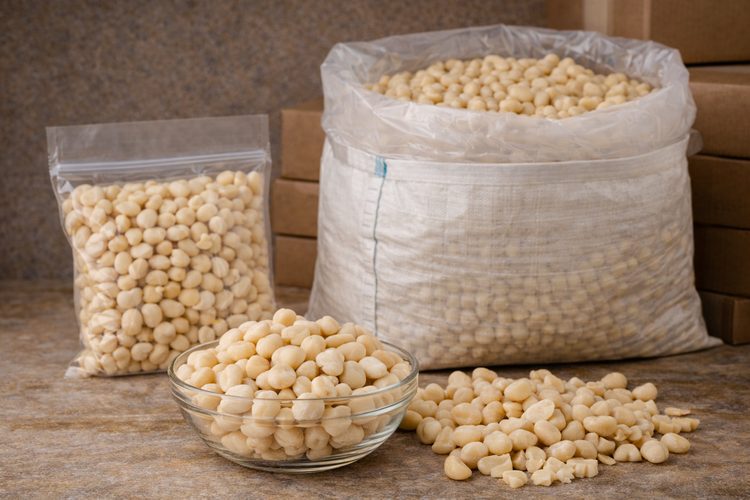
Raw macadamia kernels for further processing, roasting, seasoning, grinding, blending, co-manufacturing, repacking and direct ingredient use across domestic and export supply programs.

Illustrated placeholder for Raw Macadamias
Product overview

Raw macadamias from a California commercial workflow

Raw macadamias are usually selected when buyers want the widest possible downstream flexibility. Instead of locking the product into a finished roast profile, seasoning system or retail presentation, raw kernels allow the customer to define the next step based on their own process, brand direction and manufacturing requirements. That is why raw programs often sit at the center of industrial formulations, co-manufacturing, foodservice conversion, private label preparation and international ingredient trade.

For technical buyers, the focus is often on kernel style, size distribution, color, moisture, defect tolerance, packaging method and how the product will behave in roasting, chopping, grinding, inclusion or repacking. For commercial buyers, the focus is more likely to be on grade fit, volume profile, container planning, lead time, cost structure, export readiness and whether the raw product will move straight into production or into secondary packing or further treatment.

Atlas helps buyers structure raw macadamia programs around the real use case rather than treating every inquiry like a standard commodity order. That means aligning product format, packaging, shipment logic, quality expectations and commercial rhythm so the supply program fits the customer’s actual process.
Technical

Technical buying focus

Raw formats are chosen when buyers want maximum process flexibility for roasting, seasoning, chopping, grinding, blending or direct inclusion. Technical review often centers on kernel style, size range, color consistency, moisture, defect tolerance, handling performance, packaging integrity and the intended downstream process.

Commercial

Commercial planning focus

Raw programs are often the base for industrial formulations, re-bagging, co-manufacturing and international trade because they support a broad range of uses. Commercial planning usually depends on grade, packaging, order rhythm, destination, lead time, freight model and whether the buyer is building a repeat contract or project-based supply flow.

Where raw macadamias fit

Commercial and technical use cases for raw kernel supply

Industrial ingredient use

For processors and food manufacturers

Industrial users often buy raw macadamias when the kernels will be roasted, chopped, milled, blended or incorporated into another finished product. In these programs, the raw format gives the customer control over final processing parameters and allows the product to be adapted to their own manufacturing system rather than purchased as a fixed finished good.

  • flexibility for custom roasting or seasoning
  • better alignment with internal manufacturing lines
  • use in inclusions, fillings and compound systems
  • supply model built around ingredient conversion
Bakery and confectionery

For inclusion and decorative applications

Bakery and confectionery buyers may need raw kernels for chopping, enrobing, mixing into dough systems, topping premium desserts or combining with chocolate, fruit or caramel profiles. The relevant commercial brief often depends on cut size, appearance, process tolerance and how the kernels will hold up in the finished application.

  • whole, halves or pieces depending on use
  • visual quality for premium finished goods
  • process compatibility for mixing and baking
  • application-based grade selection
Grinding and value-added use

For pastes, butters and further transformation

Customers producing pastes, creams, fillings or nut-based components often want raw material that can move directly into grinding or blending. In these programs, buyers usually focus on kernel condition, input consistency and how the raw product behaves in size reduction or formulation.

  • raw material for butter and paste systems
  • blend-friendly ingredient supply
  • fit for customized downstream processing
  • commercial structure for manufacturing inputs
Repacking and export

For distributors, repackers and international trade

Repackers and export buyers often choose raw macadamias because they can adapt the product later for their destination market, local roast profile, packaging style or label direction. This creates more flexibility for importers, distributors and co-pack partners working across several SKUs or markets.

  • bulk-to-retail conversion models
  • multi-market flexibility
  • private label preparation
  • shipment planning for international trade
Kernel formats

Raw macadamia formats buyers commonly evaluate

Not every raw macadamia program is built around the same kernel presentation. Some buyers need a whole-kernel format for premium roasting, chocolate applications or visible inclusions. Others need halves or smaller cuts for baking, blending or cost-managed industrial use. The most suitable option depends on how the product will be processed next, what visual standard is required and how the customer wants to manage yield, cost and finished application performance.

Atlas can discuss raw programs based on the intended use case so the kernel style is aligned with both technical requirements and commercial practicality.

Specification logic

Raw buyers usually start with the downstream process

Raw macadamia specification is easier to define when the buyer starts with the intended application. A whole-kernel export retail line may need a different visual standard from a grinding program. A bakery inclusion may prioritize size and functionality over appearance. An industrial roasting program may focus on how the raw input will behave after heat treatment rather than how it looks before processing.

Process fit

Application-fit matters more than generic grade language

Two buyers may ask for the same raw product but need different commercial solutions depending on how the kernels are used. That is why the most workable inquiries usually define whether the raw product is intended for roasting, chopping, milling, blending, direct inclusion, retail repack or export conversion.

Appearance

Visual expectations should match the commercial channel

Appearance standards often vary by channel. Premium visible-use applications may need tighter selection on color and presentation, while industrial transformation programs may place more attention on processing performance, pack efficiency and cost discipline than on visual perfection.

Moisture and handling

Storage and downstream behavior are part of the brief

Moisture expectations, handling conditions and packaging integrity can influence storage performance and how the kernels behave in later operations. This is especially relevant for buyers planning long transit, warehousing before conversion or multiple handling steps before the product reaches its final form.

Technical detail

Technical points commonly reviewed for raw macadamia programs

Kernel style

Whole, halves or smaller cuts

Kernel presentation affects yield, appearance, packing efficiency, cost and final application. Buyers usually specify the style that best suits their process rather than defaulting to a whole-kernel program when the product will be chopped, ground or blended later.

Visual quality

Color and appearance expectations

Visual criteria may matter strongly in premium applications and less in transformation-focused programs. The right commercial approach is to define the appearance level required for the actual end use so cost and quality remain aligned.

Defect tolerance

Specification matched to application sensitivity

Programs differ in how tightly defect tolerance must be managed. A highly visible consumer application may require closer alignment than a processing application where the kernels are chopped or milled before use.

Roasting intent

Raw supply for later roast conversion

When raw macadamias are bought for later roasting, buyers usually want input material that suits their roast curve, seasoning method and finished texture target. In these cases, the raw specification should support the intended finished result rather than stand alone as an abstract raw grade.

Grinding intent

Raw supply for size reduction and paste systems

Grinding and butter applications often focus on consistency, handling performance and suitability for conversion rather than premium visual appearance. These projects can benefit from a specification built around the real manufacturing objective.

Traceability

Lot control and identification through the supply chain

Ingredient buyers, co-manufacturers and exporters usually need clear lot identification, consistent carton labeling and reliable traceability through receiving, warehouse storage, further processing and finished-goods conversion.

Packaging options

Packaging and supply formats commonly discussed

Industrial bulk

For processors and manufacturers

Industrial buyers often prioritize packaging that protects the product through transport and warehousing while supporting efficient receiving and line-side use. Bulk formats are usually structured for cost efficiency and ease of handling rather than shelf presentation.

  • bulk bag and carton-style discussions
  • formats suited to warehouse receiving
  • pack integrity for long supply chains
  • pallet efficiency and storage practicality
Foodservice and repack

For intermediate users and conversion partners

Foodservice distributors and repackers often need packaging that balances product protection, manageable unit size and flexibility for later handling. These projects may involve intermediate pack sizes that fit both warehouse operations and downstream conversion.

  • repack-friendly supply formats
  • manageable case sizes
  • secondary packing considerations
  • pack selection based on conversion needs
Export packing

Transit-conscious packaging for international business

Export buyers often review pack strength, liner integrity, case markings, pallet pattern and container utilization before moving forward. Packaging decisions can influence freight efficiency, handling performance and how well the product arrives for later conversion or sale.

  • carton and pallet planning
  • markings for international shipments
  • handling compatibility across supply points
  • commercial review of shipment practicality
Retail conversion readiness

Raw supply for private label or later finishing

Some buyers source raw macadamias specifically to convert them later into roasted, seasoned or retail-packed finished goods. In these cases, packaging format is often chosen to protect the raw product while preserving flexibility for later private label or brand-owned programs.

  • bulk-to-retail conversion planning
  • programs feeding customer-owned packaging lines
  • multi-step commercial workflow support
  • fit for private label development
Shelf-life and storage

Storage performance is tied to packaging, handling and rotation

Raw macadamia programs benefit from clear alignment on storage and handling expectations from the start. Shelf-life performance is influenced not only by the product itself, but also by packaging integrity, warehouse conditions, transit duration, inventory rotation, repacking practices and whether the kernels will be held for immediate use or later conversion.

That is especially important for buyers importing product, carrying buffer inventory or holding raw material ahead of roasting, blending or grinding. A strong commercial brief usually includes how the product will be stored, how quickly it will move and whether the packaging needs to support longer distribution windows.

Commercial planning

How raw macadamia supply programs are usually structured

Order profile

Spot purchase, launch volume or contract flow

Some buyers purchase raw macadamias as spot ingredients for a production cycle, while others need an ongoing program tied to manufacturing demand, export resale or finished-goods conversion. The order pattern affects packaging choice, timing, freight model and pricing logic.

MOQ logic

Minimums depend on grade, pack format and workflow

MOQ is usually shaped by product grade, packaging format, handling complexity, destination and whether the project involves straightforward bulk movement or a broader commercial program with conversion or export requirements.

Lead-time logic

Timing is linked to both product readiness and shipping plan

Lead times may depend on product availability, pack preparation, export documentation, container booking and the overall shipment structure. Buyers with fixed launch or production windows usually benefit from sharing those dates early in the inquiry stage.

Cost drivers

Main factors affecting the commercial model

Commercial structure is often influenced by kernel style, quality level, packaging choice, order volume, shipment destination, documentation scope, pallet utilization and whether the program is designed for ingredient use, repacking, co-manufacturing or retail conversion.

Export readiness

What export buyers usually review before moving forward

Commercial alignment
  • destination market and route
  • bulk ingredient versus later retail conversion
  • shipment timing and freight model
  • pack declaration and carton markings
  • importer and warehouse handling expectations
  • document flow and order release readiness
Operational alignment
  • container loading practicality
  • pallet stability and case layout
  • lot traceability through transit
  • product protection during long-distance movement
  • mixed-SKU or single-SKU shipment planning
  • handoff into distributor or processor inventory
Inquiry checklist

What buyers should include when requesting raw macadamias

A clearer inquiry usually leads to faster qualification and fewer commercial delays. The most helpful starting information includes intended application, kernel format, packaging requirement, estimated volume, target market and shipment timing. If the product is meant for roasting, blending, grinding, repacking or export resale, that should be stated at the beginning so the commercial discussion can be structured around the real workflow.

Where the program is tied to a manufacturing schedule, private label plan or export conversion project, buyers also benefit from noting whether the order is a trial, a launch requirement or part of a repeat replenishment model.

What buyers usually define
  • application fit and downstream processing route
  • kernel style, appearance and conversion requirements
  • packaging choice and storage expectations
  • domestic versus export shipment plan
  • volume profile, order rhythm and lead-time needs
  • traceability and commercial documentation requirements
Let’s build your program

Discuss a raw macadamias requirement

Use the contact form to share the application, kernel format, packaging style, estimated volume, destination and required timing. Atlas can review the brief and help organize the next technical and commercial step.

Go to Contact Page
FAQ

Frequently Asked Questions

What are raw macadamias commonly used for?

Raw macadamias are commonly used in bakery, confectionery, ingredient processing, snack manufacturing, grinding, blending, nut butter programs and further roasting or seasoning operations.

Why do buyers choose raw macadamias instead of finished roasted formats?

Buyers often choose raw macadamias when they want maximum downstream processing flexibility for roasting, seasoning, chopping, grinding, blending, repacking or inclusion into an industrial formula.

Can Atlas supply raw macadamias for export or private label projects?

Atlas can discuss raw macadamia programs for domestic or export-oriented business and can review bulk ingredient, foodservice, repacking or selected retail directions where the commercial brief supports the project.

What should buyers specify when asking for raw macadamias?

Buyers should share the intended application, kernel style or cut, packaging format, expected volume, destination market, processing route and target timing so the inquiry can be assessed accurately.

What specification points are commonly reviewed for raw macadamias?

Common specification points include kernel style, size range, visual appearance, moisture, defect tolerance, packaging method, intended downstream use, lot traceability and shipment configuration.

What commercial points usually affect a raw macadamia program?

Commercial planning usually depends on product grade, packaging format, order size, shipment frequency, destination, lead time, export requirements, handling expectations and whether the buyer is sourcing for ingredient use, co-manufacturing or finished-goods conversion.