Cashews

Oil Roasted Cashews

Oil roasted cashew products for buyers that need stronger roast character, appealing golden color, improved seasoning pickup and the classic snack texture expected in premium savory nut lines. Atlas Global Trading Co. supports commercial programs that combine product fit, packaging direction and California-based execution.

Illustrated placeholder for Oil Roasted Cashews
Product overview

Oil Roasted Cashews from a California commercial workflow

Oil roasted cashews are typically selected when buyers want a more developed roast expression than a raw or lightly processed kernel can provide. In commercial practice, this format is widely used for ready-to-eat snack lines, seasoned nut assortments, retail jars, pouches, club-store packs, foodservice applications and private-label products that depend on strong sensory impact and attractive shelf presentation.

Compared with simpler nut presentations, oil roasted programs often involve more specification detail. Buyers may want to discuss roast depth, final appearance, oil system preferences, salt or seasoning direction, breakage tolerance, package type, shelf-life target, retail channel fit and the document set required for domestic or export release. The earlier these details are defined, the easier it becomes to align price, feasibility, packaging and launch timing.

The California role on this page is operational and commercial. Atlas Global Trading Co. supports program coordination, product briefing, packaging review, documentation alignment and market-oriented execution through a California workflow without implying that cashews are California agricultural origin.
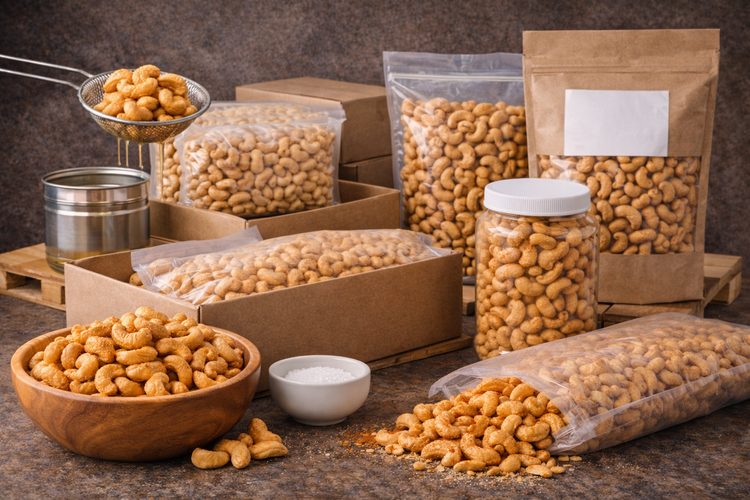
Technical

Technical buying focus

Oil roasting is usually chosen where flavor intensity, controlled surface finish, attractive roast color and seasoning adhesion are commercially important. The buyer brief may include roast profile preference, whether the item is salted or seasoned, the expected visual finish, oil-related considerations, pack protection after roasting and how the product should perform over shelf life.

Commercial

Commercial planning focus

Oil roasted programs are often built for value-added snack channels rather than purely commodity trade. That means pricing is shaped not only by the nut itself, but also by roasting, seasoning, packaging, private-label execution, coding, case configuration, documentation and the supply rhythm needed by the account.

Product positioning

Why buyers choose oil roasted cashews

Flavor and aroma

Deeper roast character for snack-forward applications

Oil roasting is commonly associated with richer flavor development and a more classic savory snack profile. Buyers that sell ready-to-eat nuts often prefer this presentation because it supports a fuller taste impression and a familiar premium-snack identity that works well across salted and seasoned product families.

Seasoning performance

Better surface pickup for flavor systems

One of the most common reasons to request oil roasted cashews is improved seasoning adhesion. A well-structured oil roasted program can provide a surface condition that helps dry seasonings, fine salts and flavor systems distribute more evenly, which is especially important for branded or private-label snack products where uniformity matters on shelf.

Visual appeal

Golden color and a polished retail presentation

Appearance is a major selling feature in the nut-snack category. Buyers often choose oil roasted cashews for their warm roast color, more finished surface look and stronger visual fit in jars, pouches, transparent windows and clear-lid retail presentations where product appearance directly influences conversion.

Texture

Classic bite for snack and mix applications

Texture expectations vary by market and channel, but many snack buyers associate oil roasted cashews with a familiar crisp bite and indulgent mouthfeel. This makes the format especially relevant for mixed nuts, bar snacks, hospitality packs, gifting assortments and premium everyday snacking programs.

Technical planning

Core technical points buyers usually define before quotation

Oil roasted cashews should be quoted against a reasonably clear commercial and technical brief. Even when a customer is still exploring options, a preliminary scope helps determine whether the program should be positioned as an unseasoned roasted kernel, a salted snack, a flavored retail line, a foodservice presentation or an export-oriented private-label item.

Typical discussion points include kernel presentation, whole versus broken format, roast degree, target color, salt level or seasoning direction, appearance expectations, packaging system, case style, coding format, shelf-life objective and any destination-specific documentation requirements. Buyers may also define whether they need a clean-label style direction, conventional savory positioning or a flavor-led consumer concept with stronger branding demands.

For sophisticated snack programs, the technical brief can extend into seasoning coverage expectations, dust management, sensory consistency from lot to lot, the desired balance between roast note and seasoning note, post-roast handling concerns, sample approval workflow and the standards used for final release.

Roasting and product design

How oil roasted cashew programs are usually structured

Roast level

Roast depth should match the channel and flavor brief

Different channels call for different roast styles. Some buyers prefer a lighter golden profile that protects a more natural cashew note, while others want a darker or more assertive roast character that supports savory branding. The preferred roast profile should be defined early because it affects sensory outcome, visual presentation and sometimes packaging expectations over shelf life.

Oil system considerations

Oil choice can be part of the commercial conversation

In some programs, the roasting oil system is commercially neutral and handled within a standard production pathway. In other programs, especially private-label or specification-led business, buyers may ask that the oil system be disclosed, aligned with a house standard or evaluated for labeling and market-fit reasons. That is why oil-related direction should be surfaced at the inquiry stage rather than left until artwork approval.

Salt and seasoning route

Unseasoned and flavored programs require different handling logic

Oil roasted cashews can be sold as plain roasted kernels, salted snack items or part of more advanced seasoning programs. Once seasonings are involved, the commercial brief usually becomes more detailed because the buyer may need clarity on flavor direction, salt intensity, visual distribution, allergen considerations, pack format and the target consumer experience.

Post-roast handling

Freshness and presentation depend on packaging discipline

After roasting, handling becomes a major part of the finished-goods outcome. Pack style, oxygen management, case configuration, warehouse conditions and shipping discipline all matter because oil roasted products are generally being sold on flavor and sensory appeal. Poor post-roast handling can undermine the value that roasting added in the first place.

Formats and channels

Commercial formats commonly discussed for oil roasted cashews

Retail-ready whole kernels

Premium shelf presentation for jars, pouches and canisters

Whole oil roasted cashews are commonly used for premium snack shelves, convenience channels, club programs and branded gifting lines. In these projects, buyers usually care about visual uniformity, roast color, breakage control, pack transparency, shelf-life target and the visual consistency of the finished product across production runs.

Seasoned snack lines

Flavor-first programs for private label and branded retail

Salted and seasoned oil roasted cashew programs are frequently developed for mainstream retail, e-commerce snack brands and contract-manufactured consumer lines. These projects often involve higher packaging value, more label complexity and greater emphasis on sensory repeatability than an unseasoned roasted item.

Mixed nuts and blends

Component supply for assortment programs

Oil roasted cashews are commonly incorporated into mixed nut presentations where visual appeal, texture and premium positioning matter. In such programs, the buyer may need the cashew component to align with the roast and seasoning architecture of the wider blend, which makes consistency and integration planning commercially important.

Foodservice and hospitality

Ready-to-serve and back-of-house snack formats

Hotels, restaurants, lounges, institutional operators and distributors may request oil roasted cashews for bowls, amenity programs, catering use and premium snack service. Pack size practicality, reorder reliability, cost-per-serving logic and receiving convenience often drive these projects more than private-label design work does.

Packaging

Packaging and shelf-life planning are central to roasted nut programs

Packaging carries more commercial weight in oil roasted cashew programs than in simpler raw ingredient transactions because the finished product is often sold on flavor, freshness and appearance. The packaging system should therefore be selected in line with the intended channel, display method, turnover rate and required shelf-life objective.

Bulk and foodservice buyers may prioritize efficient case dimensions, practical inner-bag structure, lot coding clarity and warehouse handling performance. Retail and private-label buyers often require a higher-value package route that may include pouches, jars, canisters, consumer-facing labels, barcode placement, date coding, carton markings and channel-specific case architecture.

Where export is involved, packaging discussion may also expand to pallet layout, case strength, transport durability, destination climate, container movement and the level of product protection required to maintain shelf-ready quality through longer logistics chains.

Commercial notes

How buyers usually plan an oil roasted cashew program

MOQ

Minimums depend on complexity, not only volume

There is rarely a single standard minimum that applies to every oil roasted cashew project. Minimums are typically shaped by whether the product is plain or seasoned, the selected package format, the labeling route, the degree of customization and whether the program is a repeat business line or a one-time launch. More complex private-label and export projects usually require tighter briefing to determine the workable commercial threshold.

Lead time

Timing depends on product, packaging and approvals

Lead time may be affected by roast scheduling, seasoning design, packaging material position, artwork approval, sampling, document review and freight coordination. Buyers who provide realistic launch timing and forecast visibility usually receive more reliable planning than buyers who ask only for immediate spot pricing.

Pricing

Total program cost matters more than a simple unit number

Oil roasted cashews are often part of a value-added finished product program. The relevant commercial comparison should therefore consider roasting, seasoning, packaging, coding, case build, documentation and logistics support, not just the kernel cost. For branded or private-label accounts, the operational structure around the product can materially influence final value.

Forecasting

Roasted snack programs benefit from steady planning

Forecast quality is especially useful when a buyer is running recurring promotions, retail replenishment or export container cycles. Better demand visibility improves roast scheduling, packaging readiness, inventory planning and service continuity, which can reduce commercial friction as the account grows.

Private label

Private-label and branded retail considerations

Consumer positioning

Flavor concept and pack presentation should align

Private-label roasted cashew projects are usually more successful when the product concept, roast intensity, seasoning direction, package size and brand positioning are treated as one commercial system. A premium everyday snack will often call for a different specification and presentation than a value-led club pack or a travel-retail offer.

Artwork and label workflow

Label development can affect timing and cost

Even when the nut specification is straightforward, private-label execution may still depend on artwork readiness, label claims, market language, barcode setup, coding format and finished case markings. These details should be included early in the discussion because they influence both timeline and operational route.

Promotions and launches

Retail timing should be mapped before production commitment

For new launches, buyers should ideally indicate first-ship timing, replenishment assumptions, promotional peaks and whether initial orders are intended as trial runs or full-scale rollouts. This helps align packaging, production flow and shipment planning with the commercial reality of the launch calendar.

Account consistency

Repeatability is part of the value proposition

Once a retail or private-label product is listed, consistency becomes commercially critical. A structured brief covering roast direction, appearance, packaging, coding and release standards can make repeat ordering smoother and reduce variation-related disruption in the account.

Quality and handling

Points buyers often review for roasted snack quality

Sensory consistency

Flavor, color and bite should support repeat purchase

For snack-oriented programs, buyers often focus heavily on the repeatability of roast character, salt perception, seasoning distribution, visual appeal and crunch. A product that looks or tastes noticeably different from lot to lot may create commercial issues, especially in private-label or branded retail channels.

Breakage and presentation

Physical presentation still matters after roasting

Even where flavor is the lead selling point, the buyer may still need a visually strong product. Whole-kernel integrity, broken-piece tolerance, dust control and pack presentation can influence both shelf impression and perceived quality in consumer-facing channels.

Storage and movement

Finished-goods handling protects value

Roasted snack products rely on careful storage and distribution discipline. Case build, warehouse conditions, inventory rotation, freight timing and pack integrity all help determine how well the product reaches market in the condition the brand expects.

Documentation

Quality paperwork supports customer approval and release

Depending on the customer and destination, roasted cashew programs may require specification sheets, lot-level documentation, allergen statements, packing information, label files and other supporting paperwork. Aligning the document package early usually helps avoid preventable delays before shipment.

Export support

Domestic and export execution for oil roasted cashew programs

Destination planning

Market requirements should be part of the first conversation

Destination market matters because it can affect labeling, shelf-life planning, case markings, commercial paperwork and the feasibility of the preferred packaging format. Buyers that provide the intended country and channel at inquiry stage usually receive a more relevant commercial response.

Freight fit

Transport planning should match the finished-goods profile

Oil roasted cashews are finished snack goods or near-finished snack components, so the freight plan should protect both flavor and presentation. Case strength, pallet stability, container timing and transit route can all affect how well the product performs by arrival.

Documentation package

Export projects often require broader paperwork readiness

Export customers may need a structured documentation set that supports customs, account approval, receiving and market compliance. The required documents vary by destination and account type, which is why documentation should be clarified early in the commercial brief.

Repeat shipments

Account growth benefits from a repeatable operating template

For recurring business, the strongest model is usually a repeatable workflow covering product code, roast style, packaging standard, label version, shipping marks, document set and reorder rhythm. This helps reduce operational noise and supports scale over time.

California value

Why buyers use a California-centered commercial workflow for roasted nut programs

California remains a practical commercial platform for many buyers that want a United States-based coordination point for packing, documentation, market communication and export readiness. This can be especially useful when the project is not just a commodity purchase but a finished or near-finished snack line involving roast design, packaging direction, labeling and timed shipment execution.

Atlas Global Trading Co. focuses on translating a buyer brief into a workable program structure. That may include reviewing channel fit, clarifying the product brief, screening packaging and documentation requirements, and helping organize the next commercial step within a California-based workflow.

For buyers building private-label or value-added snack programs, this kind of execution support can be as important as the product itself because the commercial success of the line depends on coordination across product, packaging, compliance and logistics.

What buyers usually define

Inputs that help generate a workable quote

  • Whole, split or custom presentation
  • Roast level and sensory direction
  • Plain, salted or seasoned product type
  • Packaging format and shelf-life objective
  • Retail, foodservice or export channel
  • Destination market and label language
  • Estimated volume and reorder rhythm
  • Launch date or required ship window
  • Sampling, specification and approval needs
  • Commercial structure and delivery expectations
Inquiry checklist

What to include when contacting Atlas about oil roasted cashews

Commercial brief

Volume, timing and route to market

Please include the target market, estimated monthly or annual volume, expected order size, required launch timing, sales channel and whether the project is a spot inquiry, a tender, a recurring program or a private-label development.

Product brief

Roast, format and flavor direction

Please share whether you want whole kernels, splits or another format, whether the product should be plain or seasoned, the preferred roast direction, packaging style, shelf-life target and any quality expectations that are essential for account approval.

Brand and label brief

Private-label and retail details

For retail and private-label projects, please indicate whether artwork already exists, whether pack size is fixed, whether there are market-specific label versions, whether barcode and coding standards are already assigned and whether launch timing is tied to a retailer calendar.

Operational brief

Logistics and documentation details

Please let Atlas know whether the business is domestic or export, whether pallet and case standards are fixed, whether mixed loads are needed and whether the destination account requires a specific documentation package before shipment approval.

Let’s build your program

Discuss an oil roasted cashews requirement

Use the contact form to share the format, roast style, seasoning direction, package type, volume and destination market. Atlas can review the brief, assess the commercial fit and organize the next practical step for a California-supported program.

Go to Contact Page
FAQ

Frequently Asked Questions

What is the main use of oil roasted cashews?

Oil roasted cashews are commonly used in seasoned snacks, mixed nut products, retail jars, pouches, foodservice bowls and private-label snack lines where roast flavor, color and seasoning adhesion matter.

Can Atlas supply oil roasted cashews for export or private label projects?

Yes. Atlas can review oil roasted cashew programs for domestic and export-oriented business, including private-label packaging, labeling direction, market fit, documentation needs and commercial timing.

What should buyers specify when asking for oil roasted cashews?

Buyers should ideally specify format, roast level, whether the product is seasoned or unseasoned, packaging style, target market, shelf-life expectations, estimated volume, approval steps and required ship window.

Are these cashews California grown?

No California agricultural origin claim is made on this page. The California value relates to commercial workflow, coordination, packing, documentation and export support through California.

Why do buyers choose oil roasted cashews instead of dry roasted formats?

Buyers often choose oil roasted formats when they want stronger roast expression, a richer snack-style mouthfeel, more polished visual presentation and better seasoning pickup for savory snack applications.

Can oil roasted cashews be supplied as plain or flavored products?

Yes. Depending on the commercial program, oil roasted cashews may be discussed as plain roasted kernels, salted snack items or part of a seasoned flavor program, subject to agreed specification, packaging and market requirements.

Does the oil system matter for private-label or export projects?

It can. In some accounts the oil system is simply part of standard production, while in other private-label or specification-led programs it may affect labeling, buyer approval or market fit. It is best to raise that requirement early in the inquiry.

Can Atlas review packaging and labeling along with the nut specification?

Yes. Oil roasted cashew programs are often packaging-led or retail-led, so Atlas can review pack style, coding, label direction, destination market and other commercial details together with the product brief.