Cashews

Cold Press Cashew Oil (Edible)

Edible cold-pressed nut oil for culinary, premium ingredient and specialty formulation applications. Atlas Global Trading Co. supports buyers seeking structured commercial coordination, packaging direction, market-fit planning and California-led support for domestic and export-oriented supply.

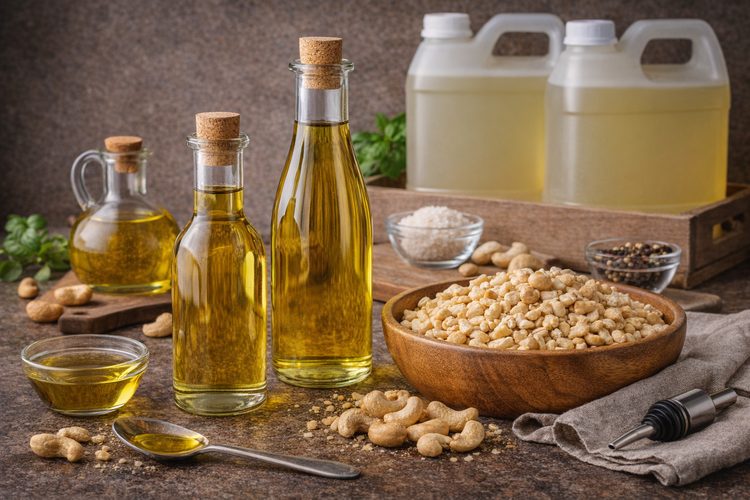
Illustrated placeholder for Cold Press Cashew Oil (Edible)
Product overview

Cold press cashew oil (edible) from a California commercial workflow

Cold press edible oils are typically evaluated for their premium natural positioning, differentiated flavor profile and specialty-market relevance. In the case of cold press cashew oil, the buying conversation is often driven by sensory expectations, clarity, filtration route, packaging selection, oxidation management and the commercial practicality of supply for a specific program. Buyers may be interested in the category for gourmet culinary products, dressings, marinades, premium sauces, finishing oils, specialty food formulations, curated retail offerings and selected private label concepts.

Unlike mainstream commodity edible oils, a product such as cold press cashew oil is usually not purchased on price alone. Buyers tend to evaluate the overall market story: how the oil tastes, how it looks in bottle, how it performs in cold or warm culinary use, how stable the packaging plan is through distribution and how the product will be positioned commercially. For this reason, the real sourcing discussion often includes pack format, target customer segment, labeling direction, unit economics, forecast rhythm, destination and shelf-life planning in addition to the underlying oil itself.

Atlas Global Trading Co. supports these more detailed conversations through a California-managed commercial workflow designed for specialty product buyers. That means the inquiry can be reviewed in the context of its intended use, packaging route, commercial scale and destination market rather than treated as a simple oil line item without application context.

Cashew oil availability is shaped by processing route, yield economics and overall commercial practicality for the specific program. Product fit should always be assessed against the buyer’s formulation, packaging, destination and route-to-market requirements.
Technical

Technical buying focus

Cold-pressed edible oils are valued for their natural profile and premium positioning, but that alone is not enough for serious buyers. Technical reviews commonly focus on flavor, aroma, clarity, filtration, sedimentation behavior, packaging compatibility and oxidation management. For a specialty oil program, even small changes in appearance or sensory expression can influence premium perception, label strategy and retail acceptance.

  • flavor and aroma character
  • clarity, color and visual presentation
  • filtration and suspended solids expectations
  • oxidation management and storage planning
  • package compatibility and light exposure concerns
  • cold-use and culinary-use suitability
Commercial

Commercial planning focus

These oils are often evaluated for culinary products, dressings, sauces, marinades and selected premium retail lines. Commercially, buyers may approach the category through gourmet retail, foodservice, ingredient manufacturing, gifting, e-commerce or private label channels. Atlas helps frame the inquiry around pack format, unit size, target market, order scale, shipment cadence, destination and whether the project is a launch, limited run, recurring specialty line or export-driven opportunity.

  • retail, foodservice and bulk-pack planning
  • gourmet and premium market positioning
  • spot buys vs. recurring programs
  • domestic vs. export shipment structure
  • private label or branded presentation direction
  • forecast rhythm and launch timing
Application insight

Where edible cold press cashew oil may fit best

Specialty edible oils succeed when the product concept, packaging presentation and customer channel are aligned. Cold press cashew oil is most often considered where differentiation, premium sensory appeal and storytelling matter.

Culinary

Dressings, vinaigrettes and finishing use

Buyers may evaluate cold press cashew oil for dressings, finishing applications and premium culinary use where an oil is not only functional but also part of the product’s identity. In these cases, flavor, clarity and bottle presentation may be as important as formulation compatibility.

Sauces

Marinades, emulsions and specialty sauces

For marinades, sauces and emulsified systems, specialty oils are usually considered for sensory lift, premium label positioning and distinctive market differentiation. Buyers often want to understand how the oil will behave in the total system, including how it supports the desired texture and flavor direction.

Retail

Premium bottled oil and gourmet shelf concepts

Specialty retail oil programs typically depend on strong presentation, a clear product story, appropriate bottle size, gifting appeal and well-defined target consumers. Cold press cashew oil may be explored for those channels where novelty, premium positioning and culinary curiosity are part of the brand strategy.

Foodservice

Chef-driven kitchens and hospitality use

Some foodservice buyers may review the category for finishing, menu differentiation, culinary innovation or curated premium service environments. Here, the buying discussion often shifts toward pack practicality, cost per use, repeatability and storage conditions in professional kitchens.

Private label

Specialty gifting and private label programs

Private label projects may look at cold press cashew oil for boutique food lines, culinary gift boxes, holiday assortments, gourmet subscriptions or specialty online retail. These briefs typically require more detailed discussions around packaging, labeling, destination and commercial scale.

Ingredient

Selected specialty formulation applications

Ingredient buyers may consider the oil in carefully positioned premium products where the chosen oil itself supports product identity. In these situations, the application, oxidation plan, pack format and usage rate should be defined early because specialty oils require a more deliberate commercial model than commodity alternatives.

Specification planning

Technical details buyers usually review

A strong inquiry for edible cold press cashew oil usually defines how the oil should look, taste, be packed and move through the buyer’s distribution environment.

Sensory profile

Flavor, aroma and culinary character

Specialty edible oils are often purchased because of their sensory identity. Buyers may want a delicate, clean and refined profile, or they may seek a richer nut expression depending on the market concept. The target sensory outcome should be explained clearly because product appeal in gourmet channels depends heavily on taste and aroma expectations.

Appearance

Color, clarity and bottle presentation

The way an oil looks on shelf or in a clear bottle can strongly influence perceived quality. Buyers may review whether the intended program prefers a more polished filtered presentation or a more natural-looking artisanal appearance, provided it remains commercially acceptable for the route to market.

Filtration

Filtered versus less-polished presentation logic

Filtration choice affects visual clarity, perceived authenticity, sediment handling and overall premium impression. The correct approach depends on customer expectations, branding direction, fill equipment, storage profile and the type of market the oil will enter.

Stability

Oxidation management and shelf-life planning

Specialty edible oils need a disciplined approach to storage, headspace, light exposure, closure system and route length. Buyers usually review how the packaging format, filling approach and distribution environment support product freshness throughout the intended selling cycle.

Packaging fit

Container compatibility and route-to-market

The right package is part of the product, not an afterthought. Bottles, tins, foodservice formats or bulk packs should reflect the buyer’s real commercial path. Retail and gifting projects may prioritize shelf appeal, while ingredient and foodservice users may focus on efficiency and handling.

Use conditions

Culinary application and handling expectations

The intended use matters because finishing oils, dressing oils, chef-use oils and ingredient-use oils are not always the same commercial case. A clear application brief helps determine the best packaging route, product presentation and commercial structure.

Commercial fit

Why specialty edible oil projects require more than a price request

Cold press cashew oil is generally a specialty product rather than a volume commodity. That means the quote process is often influenced by smaller production economics, packaging complexity, premium positioning and the need for better forecast visibility. Buyers typically get stronger results when they explain whether the oil is intended for restaurant use, gourmet retail, private label, formulation work, gifting or curated foodservice programs.

Commercially, the success of an edible oil brief depends on how well the packaging, unit size, margin expectation and target customer are matched. A beautiful bottle may work for a gourmet shelf but not for a bulk ingredient user. A foodservice canister may suit a hospitality customer but not an online premium brand. Atlas helps bring these realities into the sourcing conversation at the start rather than after multiple rounds of revision.

This is especially important for export projects, where destination handling, paperwork, transit length, breakage risk, label direction and shelf presentation must all be considered before a program becomes commercially viable.

Packaging & logistics

From specialty bottles to bulk commercial formats

Packaging is central to edible oil quality, presentation and commercial performance. Retail and gourmet programs often depend on bottle format, cap or closure choice, label space, brand presence and visual shelf appeal. Foodservice users may require more practical, efficient formats that support back-of-house use and minimize handling friction. Bulk or ingredient-use buyers may prioritize fill efficiency, transport practicality and container economics.

Because specialty oils are sensitive to handling conditions, the packaging route should be aligned with storage expectations, route length, climate exposure and sell-through speed. Atlas can help organize these conversations around destination, shipment structure, timeline and whether the project is domestic, export-oriented or intended for a mixed-channel program.

For recurring programs, supply planning may also include release scheduling, seasonal demand patterns, launch windows, carton configuration, pallet planning and overall replenishment logic.

Commercial structure

How cold press cashew oil programs are usually evaluated

1

Use case first

The inquiry should begin with how the oil will be sold or used: retail bottle, foodservice application, premium ingredient, private label or export concept.

2

Sensory and presentation target

Buyers usually need to define what the oil should taste like, how polished the presentation should be and what visual style makes sense for the intended customer.

3

Pack route and selling channel

Bottle size, bulk format, foodservice practicality and private label requirements can all materially change the commercial structure of the project.

4

Volume and frequency

Specialty products are easier to plan when buyers share launch volume, repeat order expectations and the cadence of future purchasing.

5

Destination and documentation

Domestic and export programs differ in route length, packaging risk, paperwork, labeling direction and shipment timing assumptions.

6

Scale and commercial practicality

Cashew oil programs often depend on processing practicality and market logic. A more detailed brief helps determine whether the project can move from concept to workable commercial structure.

Why Atlas

California-based support for serious specialty edible oil buyers

Atlas Global Trading Co. is positioned to support buyers who need more structured commercial thinking around specialty nut oil supply. That includes attention to product story, packaging route, application context, destination planning and the practical realities of launching or maintaining a premium oil program.

This can be useful for gourmet brands, culinary distributors, foodservice operators, hospitality buyers, specialty retailers, private label groups and export customers that want a California-led commercial contact point and a more organized review of fit, timing and next-step planning.

Atlas helps bring together the technical and commercial aspects of the brief so that the quote discussion reflects how the product is actually expected to perform in the market.

What buyers usually define
  • Intended culinary or commercial application
  • Sensory target and presentation direction
  • Clarity and filtration expectation
  • Packaging choice and shelf-life plan
  • Retail, foodservice or bulk route
  • Domestic vs. export shipment structure
  • Volume profile, order rhythm and lead-time needs
  • Documentation, labeling or private label requirements
Inquiry checklist

How to request a better cold press cashew oil quote

Specialty edible oil projects move faster when the buyer shares a more complete commercial and technical brief from the beginning.

Commercial brief

  • Company name and business type
  • Target market or destination country
  • Expected launch volume or recurring demand
  • Spot buy, retail launch or ongoing supply need
  • Target timing or shipment window
  • Preferred bottle, foodservice or bulk format

Technical brief

  • Intended culinary or formulation use
  • Desired flavor and aroma profile
  • Clarity or filtration expectation
  • Packaging and storage conditions
  • Any shelf-life or oxidation concerns
  • Documentation or market-specific notes
Let’s build your program

Discuss a cold press cashew oil (edible) requirement

Use the contact form to share the intended application, packaging direction, estimated volume and destination market. Atlas can review the brief and organize the next commercial step from California.

Go to Contact Page
FAQ

Frequently Asked Questions

What is cold press cashew oil (edible) mainly used for?

Cold press cashew oil (edible) is commonly reviewed for dressings, marinades, finishing oils, premium sauces, specialty food formulations, gourmet retail oils and selected culinary applications where flavor profile, label positioning and packaging presentation are important.

Why do buyers consider cold pressed cashew oil instead of more common edible oils?

Buyers may consider cold pressed cashew oil for premium positioning, differentiated sensory appeal, specialty formulation goals, gifting or gourmet merchandising opportunities and clean-label style concepts, depending on the commercial practicality of the program.

What should buyers define when sourcing edible cold press cashew oil?

Buyers should generally define intended use, sensory target, filtration expectation, clarity preference, packaging format, retail or bulk route, estimated volume, destination market, shelf-life expectations and whether the brief is industrial, foodservice, retail, export or private label in nature.

Can Atlas support export or private label projects for cold press cashew oil (edible)?

Atlas can review domestic, export-oriented and selected private label cold press cashew oil projects where the buyer shares the application, packaging direction, commercial volume profile, destination market and timing requirements.

What technical details usually matter most in a cold press edible oil inquiry?

The most common technical discussion points include flavor and aroma profile, color, clarity, filtration approach, packaging compatibility, oxidation management, intended culinary use and the handling conditions expected through storage and distribution.

What commercial factors usually affect the quote?

Commercial structure is often shaped by processing route, available format, pack type, unit size, annual or monthly volume, shipment frequency, destination, documentation expectations and whether the product is intended for foodservice, industrial use, retail sale, private label or export-oriented business.