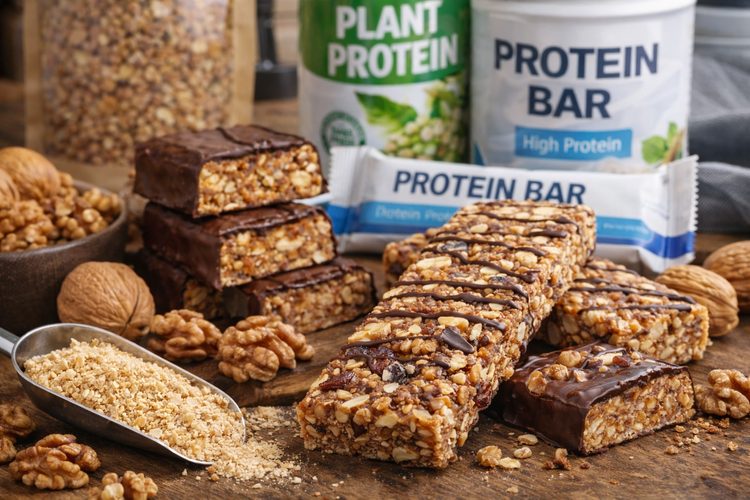
Walnuts in bars and functional snacks matter because these products operate at the intersection of nutrition, texture, shelf life, process efficiency and consumer perception. In bar systems, the walnut is rarely only a flavor inclusion. It may be part of the product’s visible premium value, part of the nutritional story, part of the bite profile and part of the fat and solids system that determines how the finished bar behaves in production and in storage. For that reason, industrial nut buying in this segment is rarely only about nominal price. The stronger commercial outcome usually comes from aligning the walnut format, the process route, the packaging model and the shipment timing before the order is placed.
Atlas generally approaches walnut bar programs by asking what the walnut needs to do in the finished product. Does it need to create visible premium inclusions? Does it need to soften or diversify the bite next to protein crisps or cereal pieces? Is it intended to contribute natural nut richness in a functional snack where the base matrix might otherwise feel dense or dry? Is it being used in a high-protein bar, a better-for-you snack bite, a granola-style bar, a plant-based functional format or a premium nut-forward bar? Those questions determine whether the correct input is a diced cut, a smaller granulation, meal, butter or another walnut-derived format.
Why walnuts are relevant in bars and functional snacks
Walnuts are useful in this category because they can serve multiple functions at once. They can provide a premium nut identity, contribute texture contrast, broaden the nutritional positioning, support a more natural ingredient story and help create a richer flavor profile than more neutral dry inclusions. In some bars, walnuts help balance the sensory effects of protein systems, fibers, binders or sweetener structures that may otherwise make the product feel too firm, too dry or too one-dimensional.
Commercially, walnuts can also support differentiation. In crowded bar and functional snack categories, a walnut inclusion may help a product feel less generic than a conventional nut-and-cereal mix. That can matter in both branded and private-label products, especially where the brand wants a premium nut story, California origin association or a more culinary and less commodity-like texture profile.
Buyer framing: in bars and functional snacks, the right walnut is not only the one that fits the spec sheet. It is the one that helps the product achieve the intended bite, appearance, nutrition story and production consistency together.
How this topic shows up in real buying decisions
In practice, buyers comparing walnut options for bars typically review several linked questions at the same time. They compare raw, pasteurized, dry roasted and sometimes oil-roasted or further processed formats. They weigh visible inclusion value against breakage risk. They compare diced cuts with smaller granulations and meal. They review whether walnut butter or paste makes more sense in bound systems, filled bars or layered products. And they consider whether the finished product is meant for mainstream snacking, high-protein positioning, performance nutrition, natural channel retail, export retail or foodservice distribution.
For walnut buyers, the usable product menu usually includes raw walnuts, pasteurized walnuts, dry roasted walnuts and processed formats such as diced cuts, meal, butter and oil. Which of those makes sense depends on the end use, whether the customer is manufacturing further, packing for retail or planning export distribution. A cereal-and-nut bar, a protein-forward snack square and a premium layered functional snack may all use walnuts, but the correct format and route for each can differ materially.
Format selection: pieces, dice, granulation, meal or butter?
Format selection is usually the most important technical decision because it changes both the manufacturing behavior and the consumer experience. Larger visible pieces may create a premium look and a strong nut identity, but they can also introduce breakage risk, uneven distribution or cutting challenges in slabbed bar production. Medium diced formats are often a practical middle ground, balancing visibility and process control. Smaller granulations may distribute more evenly through dense or highly engineered bar systems. Meal and butter become more relevant when the walnut is being used for matrix contribution, flavor or fat integration rather than for a clearly visible inclusion effect.
Common commercial routes include:
- Diced or chopped walnuts: often used where visible nut identity and recognizable inclusions matter in the finished bar.
- Smaller granulations: useful when the line requires more controlled distribution or when the bar format is compact and inclusion size must be managed carefully.
- Walnut meal: relevant where broader incorporation, solids contribution or more subtle textural distribution is desired.
- Walnut butter or paste: useful where the product system benefits from nut-derived richness, smoother integration or a softer matrix contribution.
The correct answer depends on whether the walnuts are meant to be seen, felt, tasted prominently or used as part of the bar’s internal structure.
Texture control in bar systems
Texture is often the central formulation issue in bars and functional snacks, and walnuts can affect it significantly. In inclusion-heavy products, they may provide bite contrast and visual break. In denser systems, they can relieve monotony and make the bar feel less compact. In softer bars, they can help signal substance and product value. At the same time, the wrong walnut size or process state can create production problems, irregular slicing or a finished product that feels too loose, too hard or too fragile.
This is why buyers usually define bars not only by ingredients but by texture target. A chewy protein bar, a crunchy cereal bar, a soft functional snack square and a layered premium bar all require different walnut strategies. The right walnut format is the one that supports the intended texture while still surviving mixing, slab formation, extrusion, cutting or enrobing as required.
Oil release and matrix behavior
Walnuts also contribute oil, and the amount of functional oil expression changes as the ingredient moves from larger pieces toward smaller cuts, meal and butter. In bar systems, that matters because oil release can influence matrix softness, cohesion, surface appearance, mouthfeel and long-term textural evolution. In some products this is beneficial because it helps soften an otherwise dry or dense system. In others, too much oil contribution can interfere with the target structure or complicate shelf-life behavior.
From a sourcing standpoint, this means the buyer should not treat format changes as purely visual decisions. A smaller walnut cut or a more processed walnut form may materially change the bar system. That is why pilot-scale validation is often commercially prudent before scaling a walnut bar program.
Specification tip: when the walnut is expected to influence both bite and richness, say so in the inquiry. That helps determine whether the best route is visible diced walnut, finer granulation, meal or a butter-based system.
Raw, pasteurized and roasted decisions in functional snacks
Roast state affects flavor, aroma, bite and consumer perception. Raw or pasteurized walnuts may fit where the brand wants a more natural taste profile or where the rest of the process already generates enough flavor. Dry roasted walnuts may be more suitable where the bar needs a stronger nut note, more immediate snack character or a more developed savory-sweet profile. Oil-roasted or flavored concepts may be relevant in specialized snack applications, but they are usually a more specific commercial route.
The correct roast decision should be tied to the finished product concept. A high-protein bar meant to feel indulgent may benefit from stronger roast contribution. A clean-label functional snack may prefer a more restrained walnut note. This is why roast state should be part of the quote request rather than decided later.
Bars versus functional snacks: similar but not identical
Although bars and functional snacks are often grouped together commercially, the application logic can differ. Bars are usually more structured around specific shapes, cutting systems, pack sizes and texture expectations. Functional snacks can include bites, clusters, squares, filled pieces or hybrid snack formats that allow more flexibility in walnut presentation. A diced walnut that is too large for a compact bar may work well in a snack bite. A walnut butter system that is too rich for one concept may be ideal for another.
For this reason, buyers should describe the actual finished product, not only the channel. “Functional snack” can mean many things, and the walnut quote should reflect the real form factor and process route.
Protein positioning and the role of walnuts in better-for-you claims
In protein and functional products, walnuts may be part of a broader nutritional story even when they are not the lead protein source. They can support a more natural and premium ingredient narrative, especially in products that combine nuts, seeds, cereals and protein ingredients. Some brands value walnuts because they help the product look and feel closer to real food rather than a purely engineered nutrition format.
That said, buyers should be precise about the walnut’s role. Is it a core ingredient in the nutrition story, a premium visual inclusion, a texture element or a supportive component in a broader protein system? Each of those routes affects how the ingredient should be evaluated commercially. The most effective quote request explains not only what the walnut is, but why it is in the product.
Pack planning and shelf-life considerations
Packaging matters because bar and functional snack products often move through longer retail and distribution cycles than fresh industrial use. The walnut format, roast state and processing route therefore need to fit the product’s shelf-life expectations and the brand’s commercial route. A domestic fast-turn bar program may tolerate one packaging and replenishment model, while an export retail line may require more deliberate timing, protection and documentation.
When relevant, the brief should mention whether the program is industrial bulk ingredient supply, foodservice, retail-ready, private label or export-oriented. That single clarification often changes packaging, documentation and timing assumptions. Even if the walnut itself remains the same, the commercial route may not.
What Atlas would ask before quoting
For walnut bar and functional snack projects, Atlas recommends converting the concept into a clear quote request. That usually makes the discussion more practical than a generic price request. Atlas would typically want to know:
- the target walnut format: diced, chopped, smaller granulation, meal, butter or another defined form,
- the intended product: protein bar, cereal bar, snack square, functional bite, layered snack or another defined system,
- the desired texture: chewy, crunchy, soft, layered, dense or more natural nut-forward,
- whether the walnut should remain visible or function more as an internal matrix ingredient,
- the roast preference: raw, pasteurized, dry roasted or another process state,
- the pack style and channel requirement,
- the destination market and timeline,
- the expected commercial rhythm: sample, trial, validation, launch quantity or repeat replenishment.
These inputs help Atlas discuss realistic California partner options instead of framing the project as a generic nut-buying conversation. They also help determine whether the customer is really looking for visible inclusions, matrix contribution, premium positioning or a combination of all three.
Commercial planning points
Commercially, bar and functional snack projects often develop in stages: trial quantity, validation run, launch volume and repeat replenishment. This is especially important in walnut programs because inclusion size, roast style and matrix interaction can materially change process performance. A walnut sample that looks strong in concept may still behave differently during mixing, slab formation, cutting, enrobing or shelf-life observation.
From a trading standpoint, the best programs are built around repeatability. That means clear documentation, agreed packaging, sensible shipment cadence and a commercial structure that supports continuity rather than one-off emergency buying. When relevant, the brief should also mention whether the project is industrial bulk, foodservice, retail-ready, private label or export-oriented. That single clarification often changes packaging, documentation and timing assumptions.
Buyers should also compare total delivered program value rather than only raw walnut cost. The correct format may reduce line issues, improve visible product value, support stronger premium or functional positioning and create a more stable replenishment model. Those gains can matter more than a narrow nominal difference in ingredient price.
Buyer planning note
Atlas Global Trading Co. uses topics like this to move conversations from broad interest to a specification-minded inquiry. If you are evaluating walnut supply for bars or functional snacks, share the target format, product type, texture goal, pack style, estimated volume and destination using the floating contact form. That helps ground the next step in a real commercial requirement.
Whether the need is for protein bars, better-for-you snack bites, cereal-nut bars or export retail functional snacks, the same principle applies: walnut sourcing works better when product form, intended application, packaging and commercial timing are defined together.
Need help sourcing around this walnut bar topic?
Use the contact form to share your product, packaging, destination and timing requirements for a practical quotation.
- State the exact walnut format and finished product type
- Add target monthly or trial volume
- Include destination market, pack style and target timing
Frequently Asked Questions
What is the main buyer takeaway from “Walnuts in Bars and Functional Snacks: Technical Buying Notes”?
The main buyer takeaway is that walnut bar programs work better when format, inclusion size, texture target, protein positioning, packaging and commercial timing are defined together rather than purchased as a generic nut ingredient.
Which walnut format usually works best in bars and functional snacks?
There is no single best format for every bar system. Buyers usually compare chopped walnuts, diced cuts, granulations, meal, butter and sometimes roasted formats depending on target bite, visible inclusion level, nutritional positioning, process route and finished cost.
Can this topic be applied to both U.S. and export programs?
Yes. The same technical and commercial logic applies to domestic and export bar programs, although packaging, labeling, shelf-life planning, documentation and route-to-market requirements may vary by destination.